Cards, explained. One level at a time.
Skip the 40-hour YouTube rabbit hole. Five short tracks — 101 → Master — take you from "what's a holo?" to talking prices like a shop owner.
'Whitening' means tiny white specks along the edges from handling. It quietly kills grades.
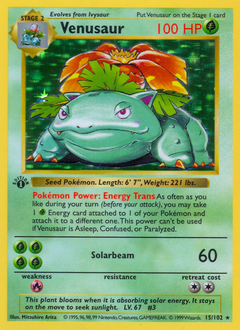
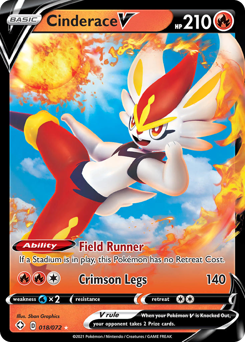
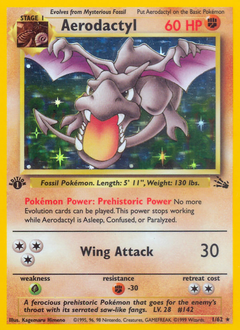
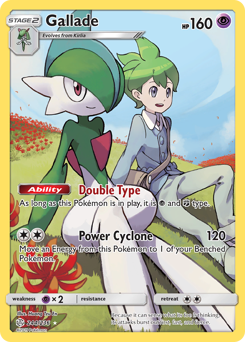
A Pokémon card is a small printed piece of a huge set. It has a picture, a name, hit points (HP), attacks, an artist credit, a set symbol, and a rarity mark. Cards can be common (you'll see tons), holo (shiny art), ultra rare, or secret rare (numbered past the set total). Value comes from rarity + condition + demand — not from how cool the Pokémon looks.
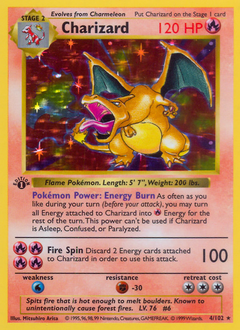
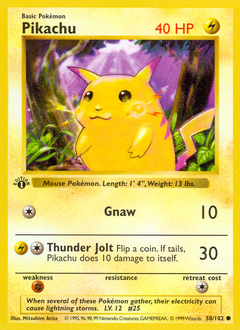
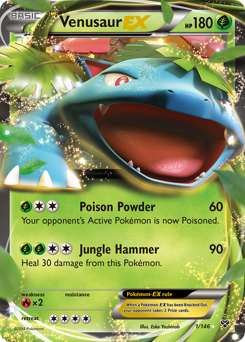
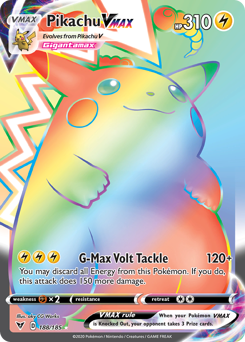
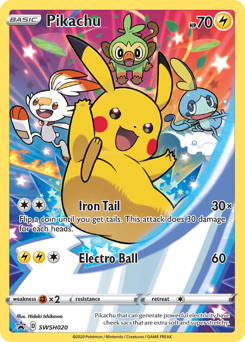
What to look for before you buy, trade, or grade.
A card's value lives and dies on its condition. Graders (PSA, CGC, BGS) score four things: Centering, Corners, Edges, Surface. Miss one and a "PSA 10" becomes a PSA 8 — and often loses 50–70% of its price. Here's every red flag to check under a bright light before you agree to anything.
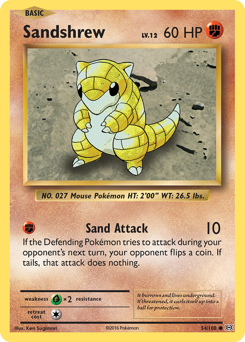
Whitening
Tiny white specks along edges and corners where the black ink has chipped. Usually from shuffling or being loose in a box. Extremely common and a huge PSA killer — even one white corner caps you at a 9.
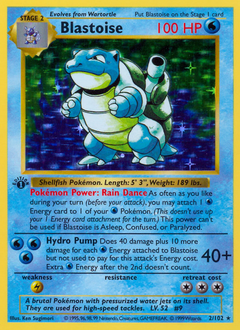
Off-centering
Flip the card over — the yellow border should be even on all 4 sides. Worse than about 55/45 and PSA won't give a 10. Check centering FRONT and BACK; both count.
Bends & creases
Hold the card flat at eye level and look down its length. Any wave, arc, or fold line kills value. Creases you can feel with a fingernail drop the grade to MP/HP instantly.
Tears & nicks
Any missing paper — even a fingernail-sized nick on an edge — knocks a card to Heavily Played or lower. Tears are permanent. Never trade for one at NM price.
Surface scratches
Tilt the card under a light. Faint hairlines across holo foil are almost invisible flat, but graders will see them. Common on Charizards and modern V/VMAX chase cards.
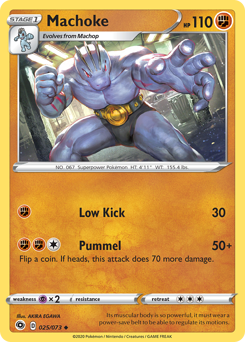
Indentations & imprints
Little dots or lines pressed into the surface — usually from fingernails, staples, or another card's edge. Look for shiny 'divots' when you angle the card. They don't rub off.
Print lines & dots
Factory flaws: a thin line across the art or a black speck in a solid color. Not your fault, but still hurts value. Always inspect before paying a NM premium.
Warping
Cards bend from humidity, heat, or being stored loose. A warped card can't be flattened — the paper fibers are permanently curved. Store in top-loaders in a cool, dry spot.
Fingerprints & oil
Holo foil holds fingerprints forever. You can wipe them off day-of, but the oil etches into the surface within a few weeks. Handle by the edges only.
The PSA scale (what graders actually give)
- PSA 10 — Gem Mint: Sharp corners, perfect centering, clean surface. Usually 5–20× the raw price.
- PSA 9 — Mint: One tiny flaw allowed. Often worth 1.5–3× raw.
- PSA 8 — Near Mint-Mint: Minor whitening or a soft corner. Usually barely above raw.
- PSA 7 and below: Visible wear. Grading fee often costs more than the bump.
Before you send a card to be graded
- Inspect all 4 corners under a bright light — any whitening = don't grade.
- Check centering front AND back — worse than 55/45 caps you at a 9.
- Tilt for surface scratches on holo art.
- Confirm PSA 10 value is at least 5× the raw NM price after the ~$25 fee.
- Check the PSA Population Report — if 10,000+ 10s already exist, yours won't move the needle.
Collector 101
The absolute basics. Start here.
- 1
What even IS a Pokémon card?
Each card has a name, HP (hit points), a type (Fire, Water, etc.), attacks, and a set symbol. That symbol tells you which release it came from — huge for value.
- 2
How to read a card in 30 seconds
Top left: name and HP. Middle: art and attacks. Bottom left: artist. Bottom right: set number (like 45/165). Bottom middle: rarity symbol — circle, diamond, or star.
- 3
Sleeve everything worth more than a candy bar
Penny sleeves cost pennies. One bent corner can drop a card's value by 30%. Sleeve first, celebrate second — then top-loader anything over $10.
- 4
Handle cards by the edges — never the face
Fingerprints leave oil that etches into holo foil forever. Always pick a card up by two opposite edges, and never stack raw cards face-to-face without sleeves.
- 5
Your first $20 collection
Skip packs. Buy 3–5 singles you love from a trusted seller. You'll get exactly what you want instead of gambling on rares.